
Systematic Investment Plan
Start Your Investment Journey with a Systematic Investment Plan
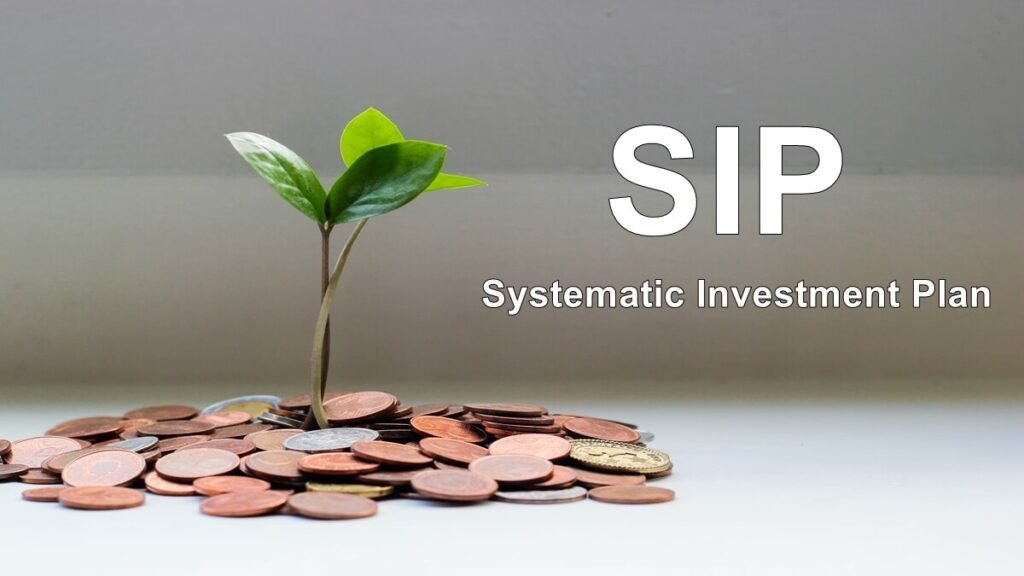
A simple and disciplined way for beginners to start building long-term wealth is to invest a fixed amount of money each month. A Systematic Investment Plan (SIP) is a plan where an investor can invest a fixed amount regularly, say every month, instead of investing a huge amount at one go.
SIP monthly investment for beginners is good for people who are new to investing. Rather than trying to anticipate the market’s ups and downs, investors make regular contributions based on their financial ability and investment goals.
At Capzentra, we help investors understand investment strategies and build a disciplined approach to investing that is based on their financial objectives, risk profile, and investment horizon.
How Does Monthly SIP Investment Work?

A monthly SIP is a simple process to follow:
Choose an investment amount. Choose a suitable investment. Decide on the SIP frequency. Invest regularly. Monitor your goals
The investor first establishes the amount they are comfortable investing on a monthly basis. They choose an investment that matches their financial objectives and their tolerance for risk.
After the SIP is set up, the fixed amount is invested at regular intervals.
The main advantage is consistency. Investors do not need to make a new investment decision every month.
Why is SIP Good for Beginners?
If you are new to the financial markets, starting an investment journey can be quite daunting. SIP can help bring more structure to the process.
1. Promotes Financial Discipline
SIP helps to inculcate the habit of investing regularly. Investors have the option to allocate a percentage of their income to their financial objectives, rather than using all of their income.
2. Lets you invest regularly
Beginners can choose to start out with a sum that is within their means and increase their contributions as their income grows.
3. Less dependence on market timing
Investments are made over time, and so investors buy units at different market levels. That can lessen the need to time the market perfectly to invest.
4. Supports Long-term Objectives
Regular investing can help achieve long term goals like retirement planning, children’s education, or wealth creation over a period of time.
5. More Accessible Investing
Instead of a large lump sum investment, a SIP allows investors to get started by making a fairly manageable monthly contribution.


How much should a newbie invest in SIP per month?
There is no standardised SIP amount.
How much money you should invest each month depends on:
● monthly earnings
●HOUSEHOLD EXPENDITURE
●Savings already in place
●Emergency fund
●Financial commitments
●Investment timeline
●Financial objectives
●“Risk appetite“
A beginner should not select a SIP amount just because somebody else is investing that amount.
A practical approach is to get a handle on monthly cash flow and essential expenses, keep a proper emergency reserve, and then figure out how much can be invested on a consistent basis.
For instance, an investor who is comfortable investing ₹3,000 a month can begin with that sum instead of committing to an amount that would stretch their finances.
It’s not about how much you begin with, but how regularly you can keep investing over time.
SIP Investment and the Magic of Compounding
One of the biggest reasons why investors should look at SIPs for long-term goals is the power of compounding.
If you reinvest your investment returns, you can earn returns on the original amount invested plus all the returns along the way.
For example, if an investor invests ₹5,000 every month for a number of years. The total amount invested may grow, increasing the overall value of the investment with regular investments and market-linked returns.
But the actual returns are not determined. Market performance is not constant, and investors should not assume that a specific rate of return will continue in the future.
A longer investment horizon may allow you more time for compounding to potentially build wealth.
SIP vs. lump-sum investment

It’s often a dilemma for beginners whether to invest through SIP or a lump sum.
Both methods have different properties.
SIP | Lump-Sum |
Invests a fixed amount periodically | Invests a larger amount at one time |
Encourages regular investing | Requires available capital |
Reduces dependence on timing a single entry | Investment is exposed to market conditions from the investment date |
Suitable for regular income allocation | Can be useful when a significant amount is already available |
Builds an investment habit | Requires greater attention to initial allocation |
The appropriate approach depends on the investor’s financial situation, goals, risk tolerance, and available capital.
SIP for Beginners: How to Start a SIP
Step 1: Define Your Money Goal
Decide what you are investing for. Your goal could be retirement, education, buying a house, or building long-term wealth.
Step 2: Decide Your Investment Time Frame
The longer the investment horizon, the more leeway there is for market cycles and possible compounding.
Step 3: Evaluate Your Risk Profile
Consider how much market volatility you are able to withstand when selecting an investment.
4. Calculate How Much You Can Contribute Monthly
Pick an amount of dollars that you can live with consistently, without impacting your needs.
Step 5: Choose an Appropriate Investment
Judge an investment by how it fits your objectives, its purpose, risk, costs, past performance, holdings, and so on.
Step 6: Be Consistent
Don’t let short-term market movements make you stop or change your SIP unless your financial situation or investment goals have changed.
Step 7: Review Regularly
Your income, financial objectives, risk tolerance, and investment needs may change over time as well. Review your SIP strategy from time to time and make necessary changes.
5 SIP Mistakes That Beginners Must Avoid
SIP is pretty simple, but investors can go wrong.
Investing Without a Purpose
If you are not clear on what the money will be used for, you will find it difficult to decide the right investment horizon and the right amount to start a SIP.
Selecting an Investment Based Solely on Past Returns
Past performance is not a guide to future performance. Investors should consider the underlying investment and whether it is suitable for their objectives.
Correction Pause in The Market
While market downturns can be unsettling, short-term volatility is a normal part of market-linked investments. “Don’t let emotions dictate your decisions as an investor.
Spend What You Have
A SIP should fit neatly in your financial plan. A monthly commitment that is too high can create financial stress.
Risk Ignored
SIP does not reduce market risk. The underlying investment may lose value, and investors should be aware of the risks involved before investing.
Increase Your SIP with Your Growing Income

For a beginner, one can think of increasing SIP contribution periodically as his income grows. This is also called a step-up SIP sometimes.
This is not a problem for me.
● Year 1: ₹5000/month
● Year 2: 6,000 a month
● Year 3 Rs 7,000 per month
The real increase should be based on income growth, expenses, financial objectives, and affordability.
As contributions increase over time, investors may be able to build up a larger corpus for longer-term goals.
SIP for Long-Term Financial Objectives
SIP can be added to a financial plan as part of a larger plan for goals like:
Planning for retirement
Steady investments over a long period of time can help build wealth for retirement.
Children’s Education
Parents might want to invest early to accumulate funds for future educational needs.
Wealth Generation
Investors can participate in market-linked investments over the long term through regular contributions.
Major Future Expenses
A SIP contributions can be aligned with a particular medium- or long-term financial goal.
The right investment and time horizon should always be chosen according to the individual goal.

Why Capzentra?
At Capzentra, we focus on helping investors to understand the financial markets and make informed investment decisions.
Our advice is:
● Goal-oriented investment planning
● Investor Risk Profiles: An Analysis
● Financial discipline over the long term
● Investment decisions based on research
● Diversification of portfolios
● Risk management
● Review of Periodic Investment
For beginners, the goal is not only to start investing, but also to establish a long-term investment strategy that is suitable for their financial situation.
Begin Your SIP Investment Journey?
A monthly SIP can offer a structured approach for beginners to invest consistently. With goals in mind, selecting the proper investment, investing consistently, and periodically reviewing the strategy, investors can develop a disciplined approach to long-term wealth building.
SIP is not an assured return product, and market-linked investments are subject to market risks. Investors should understand the underlying investment and should consider their financial objectives and risk tolerance before investing.
To explore SIP monthly investment for beginners, Capzentra can help you understand the process and develop a more informed approach to systematic investing.
Begin Your Investment Journey with Capzentra →
Frequently Asked Questions
With a SIP monthly investment, the investor can invest a fixed amount at regular intervals, generally monthly, into a mutual fund scheme of their choice. This helps the beginner to develop a disciplined investment habit without requiring a large lump-sum investment.
There is no fixed SIP amount for all beginners. The amount you should save each month will depend on your income, expenses, financial objectives, current savings, the time period you intend to invest, and your risk tolerance. New investors need to determine how much they can invest regularly without compromising their main financial needs.
SIP is not a guaranteed return product; it is an investment method. The risk and safety of a SIP depend on the underlying investment. Beginners should be aware of the risks involved in market-linked investments, as they are subject to market fluctuations.
Yes, many investors begin with a manageable monthly contribution and increase it as their income and financial capacity grow. The minimum investment required varies from one mutual fund scheme to another and from one platform to another.
Both have a role to play in an investment portfolio. SIP enables regular investing and less dependence on a single market timing decision, whereas a lump-sum investment involves investing a larger sum of money at a time. The right approach depends on an investor’s financial situation, goals, and risk profile.
Yes. As income increases, the investor can think of increasing SIP contribution on a periodic basis. The step-up method can help boost the total contribution to investments over time, provided the higher amount is affordable.
No. SIP does not promise returns. Performance depends on the underlying investment and on market conditions. Investors should not choose a SIP based on the promise of high or guaranteed returns and should take into account their goals, risk appetite, investment horizon, and the risks associated with the underlying fund.